
I’m going to start this piece off a little differently. If I can teach girls one thing, it’s that you will experience many vaginal infections in your time. They’re almost unavoidable. What’s not unavoidable is how we can manage them.
I spoke with Sasha McCracken, 21, who has plenty of first-hand experience in this category. “I’ve had chronic UTIs for years. I think I was 9 years old when I had my first one. I’ve had so many rounds of antibiotics for them that the pharmacy can’t prescribe me anymore. When I went to the doctors, they said there was nothing I could do until I had another, and then they needed to do urine tests to make sure. I didn’t go back. Honestly, what’s helped more than anything is 2 litres of water a day, vaginal probiotic gummies and electrolytes.”
Symptoms of UTIs may include:
- Pain or stinging sensation when peeing
- Peeing frequently
- Needing to pee suddenly or more urgently than usual
- Cloudy urine
- Blood in your pee
- Lower tummy pain or pain in your back, just under the ribs
- A high temperature
- A very low temperature below 36 °C
- Feeling tired or weak
- Dark or pungent urine
- If this is your only symptom, you may be dehydrated
Treatment for UTIs can include:
- Taking a painkiller
- Like ibuprofen
- Drinking plenty of water
- Prescription course of antibiotics from a local pharmacy
- Rest
- Cystitis sachets
- You can buy these at most local supermarkets
- Drinking cranberry juice
- This can help relieve pain while the UTI naturally passes through
UTIs are caused by bacteria entering the urinary tract. The bacteria enter through the tube that carries the pee out of the body. Women have a shorter urethra than men, which means bacteria are more likely to reach the bladder or kidneys and cause an infection.
How to prevent UTIs:
- Wipe from front to back when you go to the toilet
- Keep the genital area clean and dry
- Drink plenty of fluids, particularly water
- Sounds silly, but make sure you go to the toilet when you need to, don’t try to hold it in
- Wash the skin around the vagina with water before and after sex
- Pee after sex
- Without question, immediately
- Wear cotton underwear – not too tight either
- A thong may be sexy, but it’s not doing you any favours wearing one 24/7
- Don’t use scented soap around the genital area
- Don’t use condoms with spermicidal lube on them – try non-spermicidal lube or a different type of contraception
- Taking cranberry products – available as juice, tablets or capsules to take every day
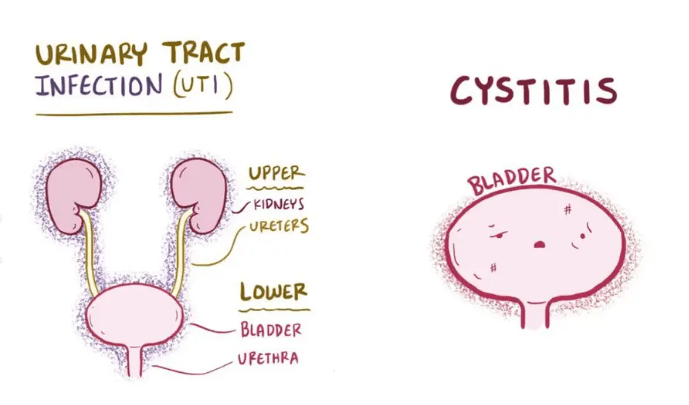
Cystitis is a type of UTI that affects the bladder. It’s common in women and often gets better on its own, but may sometimes need treatment with antibiotics or cystitis sachets.
I personally get cystitis after sex, almost every single time. It’s really not a nice feeling. It has very similar symptoms to any UTI, and can be treated the same. I would try home remedies first, with paracetamol, cranberry juice, plenty of water and cystitis sachets. If this doesn’t work, go to your local GP.
Thrush is a common yeast infection that affects men and women. It’s usually harmless, but it can be uncomfortable and recurring.
Symptoms of thrush include:
- White vaginal discharge, which doesn’t usually smell
- People describe it as cottage cheese, but it’s essentially a little thick and chunky
- Itching and irritation around the vulva and vagina
- Soreness and stinging during sex or when you pee
Thrush isn’t an STI, but it can be triggered by sex. It’s caused by a fungus called Candida that is normally harmless. Thrush tends to grow in warm, moist conditions and develops if the balance of bacteria changes. This can happen if:
- Your skin is irritated or damaged
- You’re taking antibiotics
- You have poorly controlled diabetes
- You’re pregnant
- You’re having hormone replacement therapy
- You have a weakened immune system
- For example, because of HIV
Thrush can also affect other areas of skin, such as the armpits, groin, and between your fingers. This usually causes a red, itchy or painful rash that scales over with white or yellow discharge. Sometimes thrush causes no symptoms at all.
See a GP if:
- You have symptoms of thrush for the first time
- You have thrush and are under 16 or over 60
- Thrush keeps coming back (more than 4 times in 12 months)
- Treatment for thrush has not worked
- You have thrush and a weakened immune system, for example, because of diabetes
Treatment for thrush includes:
- Antifungal medicine
- This can be a tablet you take
- A tablet you insert into your vagina (pessary)
- A cream to relieve the irritation
- Use water and an emollient (like E45 cream) instead of soap to wash the affected area
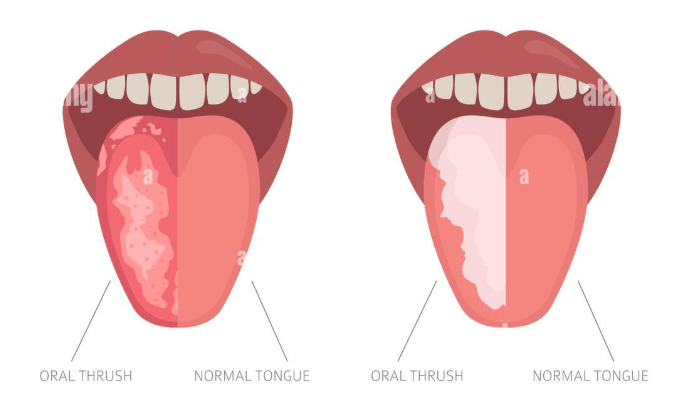
You can also get oral thrush. This is particularly common in babies and older people with dentures. When you have oral thrush, your mouth is red inside with white patches, but it’s not contagious.
Symptoms include:
- Cracks at the corners of the mouth
- Not tasting things properly
- An unpleasant taste in the mouth
- Pain inside the mouth
- For example, sore gums or a sore tongue
- Difficulty eating or drinking
To prevent oral thrush, you should:
- Take care of your teeth
- Brush twice a day
- Clean your retainers or dentures
- Go for regular check-ups
- Brush your gums and tongue
- Rinse your mouth after eating or taking medicine
- Don’t smoke or vape
If you’re ever confused, go see your local GP.
 Girlhood 2 Grown
Leave a comment